
Back pain resulting from poor posture is a common issue faced by many individuals in today’s sedentary lifestyle. Long hours spent sitting at desks, hunching over computers, or looking down at mobile devices can lead to muscle strain, spinal misalignment, and chronic discomfort. In this context, massage chairs have gained popularity as a potential solution for alleviating back pain associated with poor posture. But can these high-tech chairs truly help improve back health and reduce pain?
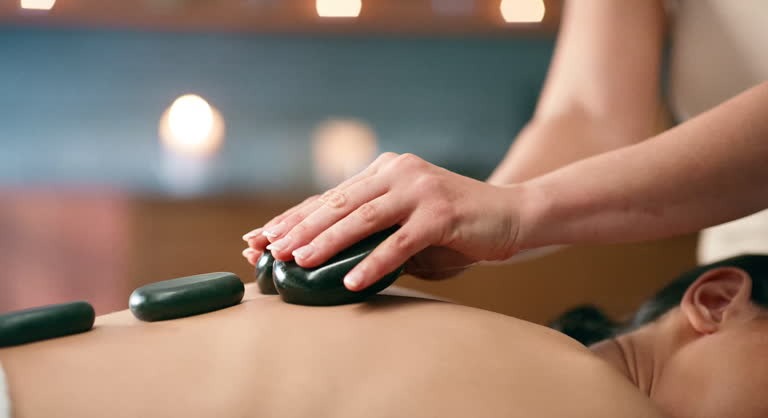
Massage chairs are designed to simulate the techniques used by professional massage therapists, including kneading, rolling, tapping, and shiatsu movements. These functions aim to relax tight muscles, enhance blood circulation, and promote overall relaxation. When it comes to poor posture-induced back pain, the key benefit of massage chairs lies in their ability to target muscle tension that develops due to prolonged improper positioning of the spine.
Poor posture often causes certain muscles-such as those in the lower back or upper trapezius-to become overly tight while others weaken. This muscular imbalance contributes significantly to discomfort and stiffness. Regular use of a massage chair reviews may help release this tension by applying consistent pressure on affected areas and encouraging muscle relaxation. Improved blood flow brought about by massage can also facilitate healing processes within soft tissues.
Moreover, some advanced massage chairs come equipped with features like heat therapy and adjustable intensity settings tailored to individual needs. Heat helps soothe sore muscles further while adjustable settings ensure comfort without exacerbating any existing conditions.
However, it is important to recognize that while massage chairs offer symptomatic relief for muscle soreness caused by poor posture-related strain, they do not address the root cause directly-that is habitual bad postural habits themselves. To achieve lasting improvement in back health and prevent recurring pain episodes, users must combine chair massages with active measures such as ergonomic adjustments at workstations, regular stretching exercises focusing on postural correction, strengthening weak core muscles through physical activity or physiotherapy interventions.
Additionally, people experiencing severe or persistent back pain should consult healthcare professionals before relying solely on massage chairs for treatment since underlying medical issues might require specialized care.
In conclusion, massage chairs can be an effective complementary tool for managing mild-to-moderate back pain linked with poor posture by relieving muscle tension and promoting relaxation. They provide convenience for those seeking non-invasive ways to ease discomfort after long periods of sitting or standing improperly positioned. Nevertheless comprehensive strategies involving lifestyle modifications remain essential for correcting postural problems permanently rather than just masking symptoms temporarily with massages alone.